Coburg North, Melbourne — Serving All of Victoria
Aged care kitchens run on consistency: reliable capture, low noise, safe working conditions and maintenance that doesn’t fall behind. If you’re planning upgrades for 2026, this guide shows how to choose a canopy and exhaust approach that supports hygiene, resident comfort and operational uptime—plus the documentation stakeholders typically ask for.
In Australia, kitchen local exhaust ventilation is covered under the NCC framework and typically designed/installed to AS 1668.2. Food premises also have hygiene and equipment expectations under the Food Safety Standards (including Standard 3.2.3). For operational best practice, AIRAH’s Commercial Kitchen Exhaust Management guide is a strong reference for managing fire and health risks across the life of the system.
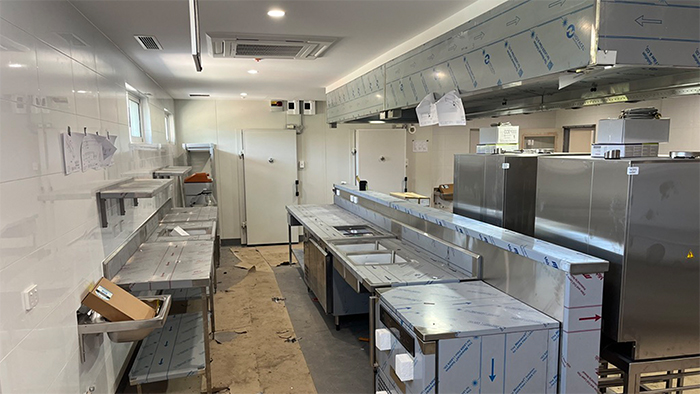
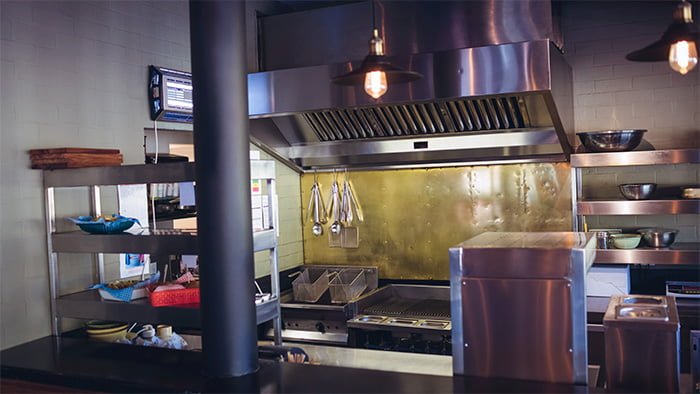
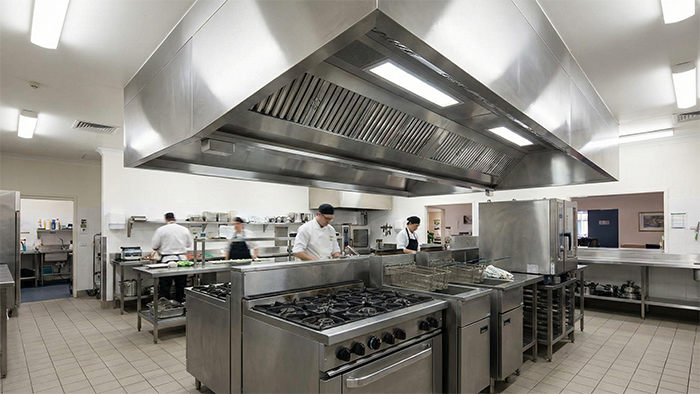
Choose a canopy profile that is easy to document and service. For many aged care cooklines, a robust wall-mounted exhaust canopy is a strong starting point, then you tailor accessories and fan/duct planning to the site.
Noise control is a whole-of-system decision: fan selection, isolation, duct routing and discharge placement. A quieter system reduces complaint risk and improves staff comfort during long shifts.
Task lighting improves safety and consistency (especially around fryers, hotplates and service pass areas). LED upgrades also reduce heat load.
Aged care projects run better when everyone shares the same documents: facilities, builders, certifiers, EHOs and maintenance providers. Use the table below as your minimum pack.
| Document | Why it matters | Who uses it |
|---|---|---|
| Canopy schedule + layout | Defines what is installed and where; avoids scope drift | Builder, certifier, facilities |
| Ventilation notes (capture, discharge, make-up air) | Shows the system approach and supports compliance conversations | Mechanical, certifier, EHO |
| Product datasheets (filters, lights, accessories) | Speeds approvals and procurement; supports maintenance planning | Procurement, maintenance |
| O&M manual + cleaning schedule | Protects performance and reduces fire/health risk over time | Facilities, contractors |
| Commissioning sign-off page | Confirms the system was checked and handed over properly | Builder, facilities |
Request an aged care quote: Send your cookline and layout. We’ll recommend a canopy and exhaust approach that’s quiet, maintenance-ready, and supported by a clean spec pack for your 2026 planning.
Designing for day-one install only. Long-term access for cleaning and a realistic maintenance routine is what keeps performance and safety stable.
Prioritise strong capture, plan discharge locations carefully, and keep filters and ducts maintained so airflow doesn’t drop.
You’ll be asked for clear schedules, datasheets and maintenance plans. A simple spec pack reduces delays and improves handover.
Yes—better visibility improves safety and LEDs reduce heat load and maintenance compared to older lights.
Start with your cookline list and a quick layout review, then lock in canopy type, duct route, access points and a maintenance plan before tendering.