Coburg North, Melbourne — Serving All of Victoria
At a glance
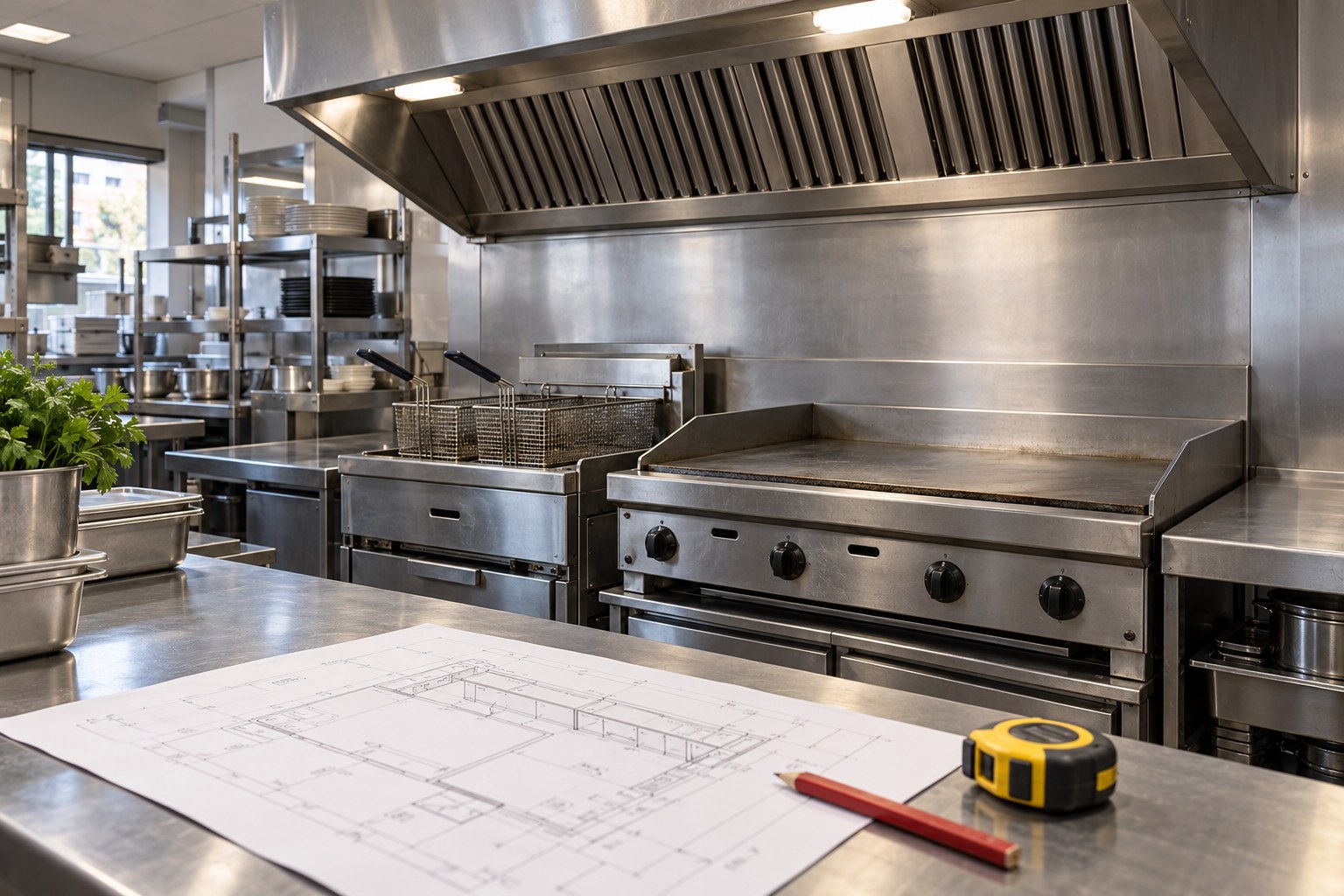
Adding a fryer or grill can change the workload, layout and ventilation needs of your kitchen. Before ordering, send your installer the appliance specifications, cooking plans and photos of the existing system. Have the canopy, ductwork, fan, replacement air and discharge assessed together, then agree on the scope, trade responsibilities and downtime. Finish the upgrade with documented checks and updated operating instructions.
A second fryer could help your kitchen keep up on Friday nights. A larger grill might open up a new menu. Before ordering either, give the exhaust system the same attention as the appliance specifications.
For an established café or restaurant, a commercial kitchen exhaust upgrade starts with a clear picture of what will change. The new equipment may fit into the available space, but the ventilation designer still needs to assess the cooking process, layout and existing system.
The best time for that conversation is while you are comparing equipment, when it is still possible to change the model or layout without disrupting deliveries and trade bookings.
Tell the canopy installer what you cook now and what you want to add. Include when the appliances will run together and whether the change is intended to increase the volume of food prepared at peak times.
For example, replacing an existing fryer with a similar unit is a different brief from adding a second fryer and a grill to a line that previously handled light café cooking. These examples do not determine the outcome on their own; they help the designer ask the right questions.
If your proposal includes charcoal or wood-fired cooking, raise that at the start. Our solid-fuel canopy article introduces that separate planning discussion. Do not treat a change of fuel as a routine appliance swap.
Send a single list showing which appliances will stay, which will be removed and which you plan to buy. For each new unit, attach the manufacturer's specification sheet rather than relying on a catalogue photo.
| Equipment detail | What to supply |
|---|---|
| Appliance identity | Make, model and appliance dimensions. |
| Services | Fuel or power type and rated input. |
| Cooking workload | Cooking process and expected use during busy service. |
| Manufacturer requirements | Installation instructions, required clearances and any ventilation information supplied by the manufacturer. |
| Proposed layout | A proposed layout showing the appliance positions beneath the canopy. |
| Existing kitchen | Photographs of the existing cooking line, canopy and accessible service areas. |
Add the site address, trading hours and target installation period. If an appliance has already been ordered, make that clear so the team can work with the real constraints.
A site assessment should establish what can be retained and what needs further investigation. Ask the installer to consider the canopy arrangement, filters, ductwork, fan, replacement air, controls and discharge as a connected system.
Do not order a larger fan as the default solution. Ask for the proposed change to be assessed against the existing duct route and the system's operating requirements. Our ductwork planning guide helps explain the information needed for that review.
Share drawings, earlier commissioning records and servicing information if you have them. If records are missing, say so. Photographs are useful for an initial conversation, but concealed ductwork and inaccessible components may require further inspection before a firm scope is possible.
Discuss the new position with both the equipment supplier and canopy installer. Ask how the proposal affects canopy coverage, appliance clearances, cleaning access and staff movement. The usable cooking surface and operating arrangement matter alongside the overall cabinet dimensions.
Look beyond the final position. Confirm how the appliance will enter the building, move through doorways and reach the kitchen. Allow for safe servicing and future removal. A delivery that blocks the only preparation aisle creates a problem even before installation begins.
For general fit-out guidance, FSANZ's Safe Food Australia explains the food premises and equipment standards. Its guidance recommends discussing alterations with the responsible food authority. Ask your local council and building surveyor which requirements apply to your proposed work.
Adding a fryer or grill? Discuss your equipment plans with Liam before ordering.
Request a written scope that separates the equipment supply from ventilation work and other trades. Depending on the assessment, the job could involve retaining the canopy, modifying parts of the system or replacing components. Make sure the recommendation is tied to the proposed equipment and site.
Clarify who is handling gas or electrical connections, roof access, building works and any required professional design or approval steps. Ask whether removal, disposal, testing and handover are included. Also identify allowances that remain provisional because parts of the existing system have not yet been inspected.
Noise and discharge deserve attention where the cooking activity changes. EPA Victoria's odour capture guidance considers the type and scale of activities when selecting controls and highlights mechanical noise as an issue to monitor. Raise nearby neighbours and any existing complaints with the designer.
Before announcing a new menu or booking a reopening date, agree on a sequence with the trades involved. A useful outline is: finalise the design and scope, resolve required permissions, confirm equipment and materials, prepare the work area, complete the installation, then test and hand over the system.
Ask which stages prevent cooking or food preparation and whether any areas can continue operating safely. That decision should be made with the contractors and relevant advisers; do not assume a quiet morning will be enough for every upgrade.
Include a contingency for access problems or unexpected existing conditions. Explain the agreed plan to staff, including equipment isolation, food protection and the cleaning required before service resumes.
Once the new arrangement is installed, ask what checks are required for the changed system and collect the results. Update the equipment list, drawings and operating instructions. Make sure the team understands any new control settings or maintenance tasks.
Our commissioning and handover checklist sets out the questions to ask before closing the job.
NXT GEN Canopies manufactures and installs custom commercial rangehoods in Melbourne and across Victoria. Send Liam your existing kitchen photos, proposed appliance specifications and trading constraints to start a discussion about the right scope.
Request an assessment and quote before ordering your new equipment.
Possibly, but the available space alone does not answer the question. Have the proposed fryer, cooking workload and existing exhaust system assessed before ordering or installing it.
No. An assessment may identify a suitable existing arrangement, targeted modifications or a need for replacement. The outcome depends on the proposed equipment and the condition and design of the system.
No. Ask for the complete system to be assessed before selecting replacement components. The fan needs to be considered alongside the canopy, ductwork, replacement air and discharge.
Send your site address, kitchen photos, existing equipment list, proposed appliance specification sheets, layout, trading hours and preferred timing. Include ventilation drawings and commissioning records if available.
That depends on the work, access and safe separation of construction from food operations. Agree on shutdown periods and reopening checks with the project team before committing to a trading schedule.
Featured image: AI-generated illustration.