Coburg North, Melbourne — Serving All of Victoria
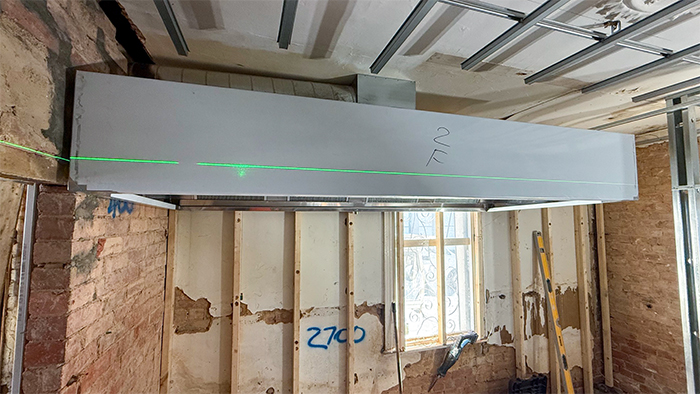
You may be able to reuse an existing commercial kitchen canopy, but its suitability needs to be checked against your proposed kitchen. The visible hood, ductwork, fan, replacement air and discharge arrangement all matter. A previous operator’s use of the premises does not establish that the system will suit your menu or equipment.
For a Melbourne café or restaurant takeover, arrange that assessment while you can still adjust the fit-out plan. An existing canopy can be useful infrastructure, but the cost of alterations needs to be understood before it becomes part of your opening budget.
Write down the proposed appliances, their make and model, fuel type and position. Also describe the cooking processes and expected service pattern. Replacing light reheating with frying, wok cooking or char-grilling changes the ventilation brief even if the new appliances fit beneath the old hood.
Food Standards Australia’s Safe Food Australia guidance explains that effective ventilation depends on the nature and volume of the work, equipment location and the condition of the system. It is the proposed operation that needs assessment.
Use our commercial kitchen canopy sizing guide to organise the equipment information for a designer. Do not use the visible hood length as the only test.
Request the available records from the owner or outgoing operator. Missing documents do not by themselves prove the installation is defective, but they leave questions that a site assessment may need to resolve.
Check whether drawings match the current kitchen. Equipment may have been moved or replaced after the original installation.
Have the assessor compare the hood layout with the proposed appliance positions and cooking processes. Ask them to inspect the body, filter arrangement, grease collection, supports and access for routine cleaning. A polished outer surface tells you little about concealed parts of the system.
Establish where the duct actually runs and where it discharges. Check the fan identification and available performance information rather than relying on the fact that it switches on. Discuss the condition of the ductwork, cleaning access and any sections that cannot be inspected without further access.
Our fan sizing guide explains why design airflow and pressure requirement need to be considered together. A new fan should be selected for the assessed system.
Ask how air enters the kitchen while extraction runs. The assessment should consider the intended door positions, nearby air-conditioning outlets and supply or transfer-air paths. Performance observed with every door propped open may not represent normal service.
If staff report difficult-to-open doors or smoke escaping during busy periods, record the circumstances for the assessor. These observations are useful clues, not a diagnosis. Our make-up air guide gives background to the discussion.
Identify nearby windows, air intakes and residential areas, and ask about any history of complaints. EPA Victoria’s business odour guidance calls for risks to be assessed and controls to suit the activity. Changing the menu or operating hours should be part of that assessment.
Confirm that the business can access the roof, fan and treatment equipment for ongoing maintenance. A serviceable installation needs a practical way for the appropriate contractors to reach it.
Ask for a written assessment separating what can remain, what needs attention and what needs further investigation. These are possible outcomes, not conclusions that can be reached from photographs alone:
Compare the full scope and expected disruption for each option. Replacing only the hood will not resolve every problem elsewhere in the ventilation system. Our canopy replacement guide covers common reasons to investigate an upgrade.
Contact the local council about the takeover and proposed food activities. Safe Food Victoria identifies local councils as the bodies registering and regulating most Victorian food businesses. Ask which steps and documents apply to your premises and proposed changes.
Separately, have the relevant building professionals confirm the requirements for any ventilation or building works. Do not assume that an existing food-business registration approves every future equipment change, or that every older canopy automatically requires replacement.
The applicable standards and approval requirements need to be established for the particular building and works. Keep written advice and final project documentation with your venue records.
Coordinate this work with the people advising you on the premises and fit-out. The aim is to turn “there is already a canopy” into a documented understanding of what the new kitchen can use.
Send NXT GEN Canopies photos of the existing hood and cooking line, your proposed appliance list, the site address and any available drawings. Include the planned opening date and any known ventilation issues when you request a canopy and ventilation quote.
We can discuss the canopy and ventilation work your project needs. Explore our Melbourne commercial rangehood options if a new or modified canopy forms part of the plan. Pricing and timing depend on the assessed scope and site conditions.
Possibly. Have the complete system assessed against your proposed appliances, cooking processes and layout. Include the canopy, fan, ductwork, replacement air and discharge arrangement in the review.
Do not assume it does. Contact the local council about the proposed operation and have a competent ventilation professional assess the equipment changes. Keep the relevant advice and assessment records.
Have the proposed fryer and its position assessed before installation. Physical space beneath the hood does not establish sufficient capture or overall system capacity.
Ask for other available installation, service and cleaning records, then arrange an assessment to establish what is installed. Missing drawings create an information gap; they do not on their own prove that replacement is necessary.
That depends on the cause of the problem and the proposed cooking load. An assessment can identify which components are suitable to retain and which need modification or replacement.
Prepared September 2026. This guide explains planning questions; project specifications and approvals depend on the site and proposed works.